
The Boston Massacre
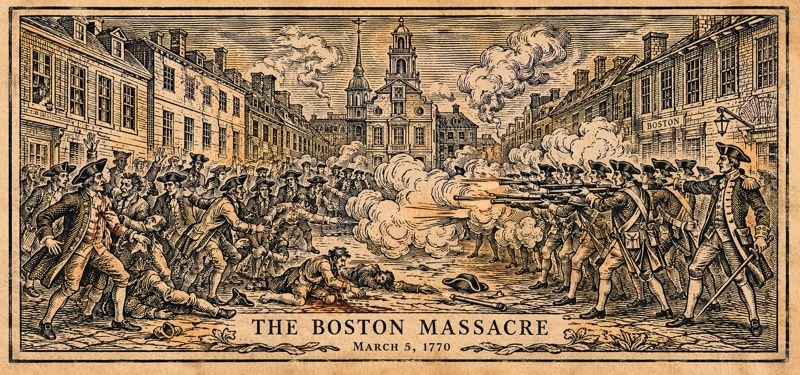
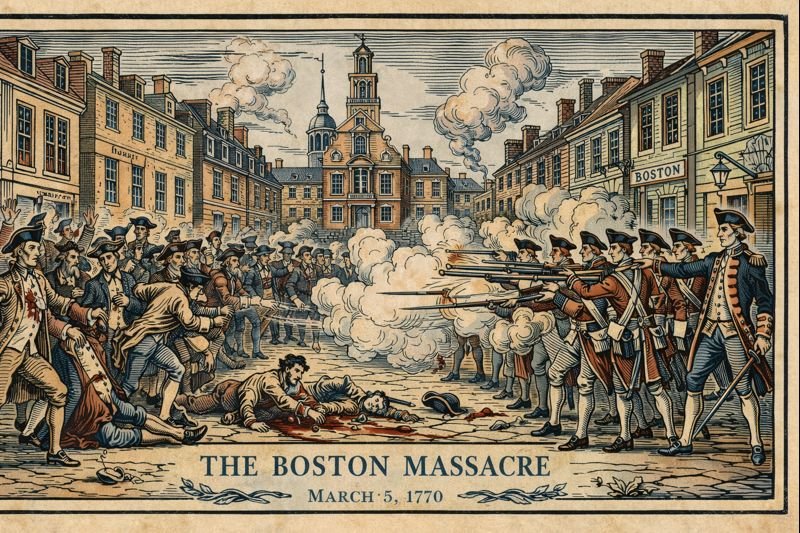
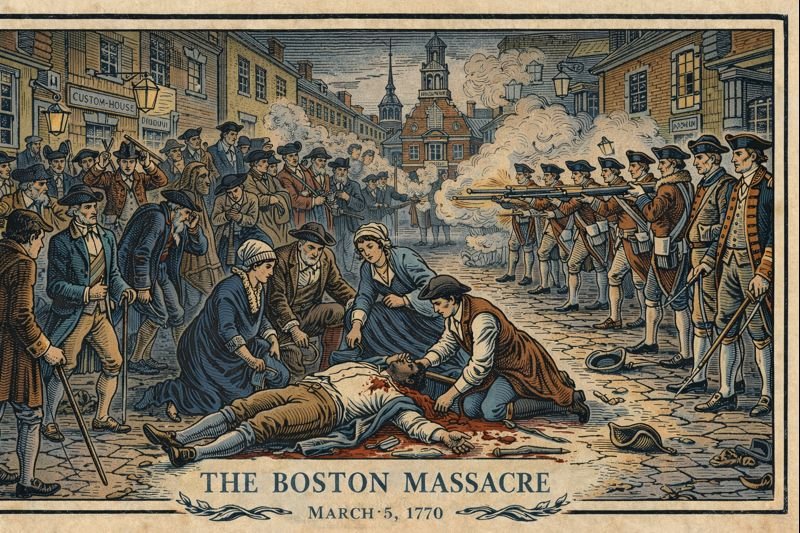
The Boston Massacre of 1770 ignited the powder keg that started the American Revolution. Learn more about the significance of this event, and how it helped launch the revolution which created the United States.
Learn MorePeople, Events & Background
About The Boston Massacre
Events
The Ropewalk Fights
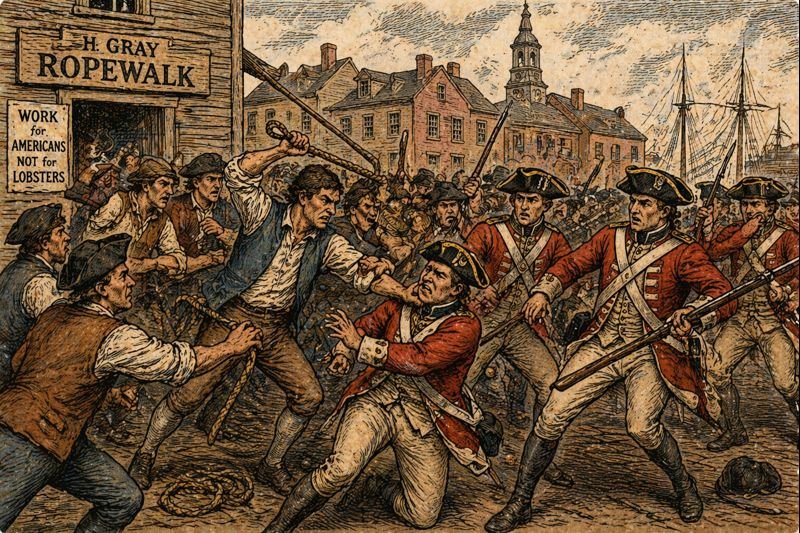
The Ropewalk Fights were a series of violent clashes in early March 1770 that played a crucial role in escalating tensions before the Boston Massacre. These confrontations took place at Boston’s ropewalks (industrial areas where rope was manufactured for ships) and involved British soldiers and local workers competing for employment.
At the time, British troops stationed in Boston were poorly paid and often sought part-time work, bringing them into direct conflict with colonial laborers. This economic rivalry quickly turned hostile. What began as verbal arguments between soldiers and ropewalk workers escalated into repeated physical fights over several days. Groups from both sides gathered, leading to larger street confrontations involving fists, clubs, and improvised weapons.
The Ropewalk Fights significantly worsened relations between civilians and British troops. They contributed to a growing tension of distrust, anger, and resentment in the city. By the time of March 5th, 1770 (the Boston Massacre), Boston was already on edge, with frequent confrontations between soldiers and residents/citizens.
These incidents are widely seen as a key precursor to the Boston Massacre, as they demonstrated how quickly everyday disputes could escalate into violence. The Ropewalk Fights helped create the volatile environment in which the deadly confrontation on King Street ultimately occurred, making them an important part of the broader story of the American Revolution.
Groups
The Sons Of Liberty
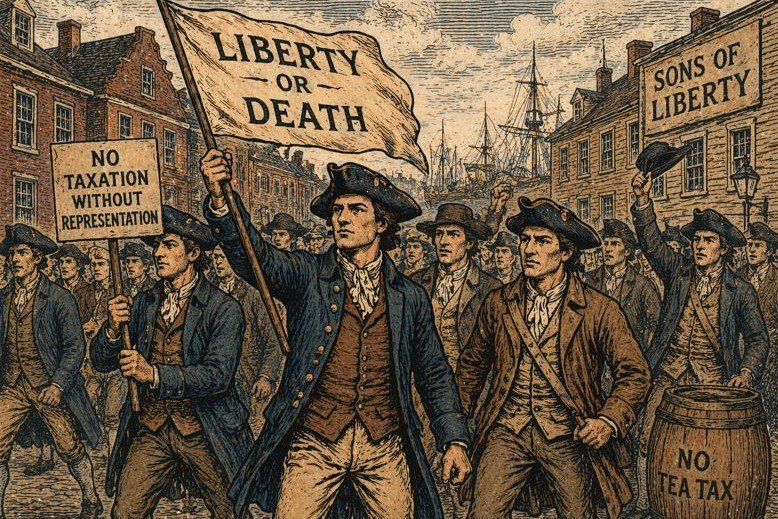
The Sons of Liberty were a key force in colonial resistance to British rule and played an important role in shaping the events leading up to the Boston Massacre. Formed in response to the Stamp Act of 1765, the group brought together merchants, artisans, and political leaders who opposed taxation without representation and British control over the colonies.
In Boston, the Sons of Liberty became especially influential. They organized protests, enforced boycotts of British goods, and helped mobilize public opposition to laws such as the Townshend Acts. Their messaging often focused on portraying British authority as unjust and oppressive, which helped fuel widespread resentment among colonists.
As tensions grew, the Sons of Liberty also contributed to a climate of resistance in Boston. Their activities encouraged public gatherings, demonstrations, and direct challenges to British officials and soldiers. While they did not directly cause the Boston Massacre, their efforts helped create the atmosphere in which confrontation became more likely.
Following the massacre in 1770, the Sons of Liberty played a major role in shaping public perception. Through pamphlets, speeches, and propaganda, they framed the event as an example of British tyranny, helping to unite the colonies and strengthen the movement toward revolution.
Groups
The British Soldiers
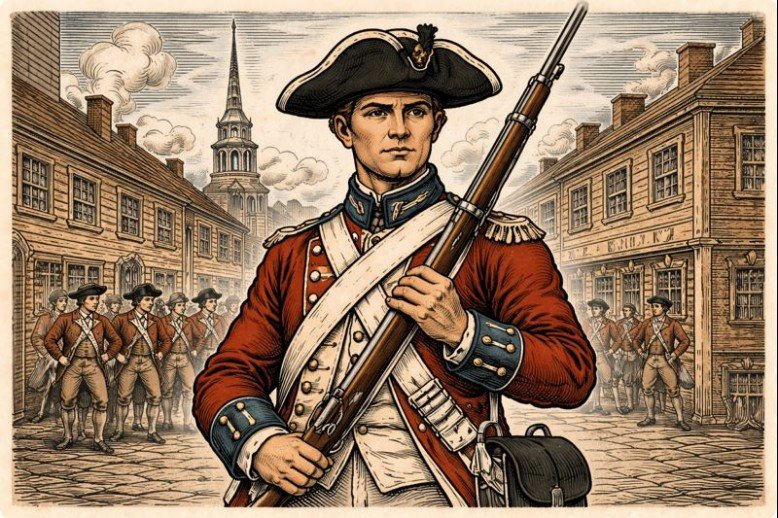
British soldiers played a central role in the events leading up to and during the Boston Massacre, particularly as tensions escalated in colonial Boston. Stationed in the city from 1768 to enforce British laws and maintain order, these troops were often viewed by colonists as an occupying force rather than protectors. Their presence created daily friction with local residents, especially among working-class laborers.
One major source of conflict was economic competition. British soldiers were poorly paid and frequently sought part-time work, bringing them into direct rivalry with Boston workers. This tension erupted in the Ropewalk Fights of early March 1770, a series of violent clashes between soldiers and rope-making laborers. These confrontations involved insults, street brawls, and the use of clubs and other makeshift weapons, further damaging relations between the military and civilians.
By March 5th, 1770, Boston was already on edge. When a confrontation began between a sentry and a group of colonists, it quickly escalated as a crowd gathered and tensions rose. British soldiers, called in as reinforcements, faced a hostile group throwing snowballs and debris. Amid the chaos, shots were fired into the crowd, resulting in multiple deaths.>/p>
The actions of British soldiers during the Boston Massacre reflected a volatile mix of fear, mistrust, and breakdown of control. Whilst the event was later used as propaganda, it also highlighted the dangerous conditions created by military occupation and ongoing street-level conflict.
Learn More About The Boston Massacre
Books About
The Boston Massacre
Read About Books Concerning The Boston Massacre Learn From Different Authors &
Their Perspectives & Angles On What Really Happened Concerning This Pivotal Event In American History
Eric Hinderaker
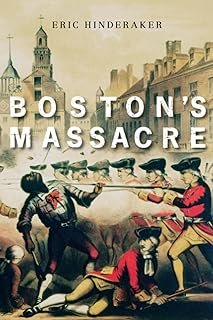
Boston's Massacre
A central theme of the book is that the Boston Massacre was not just a single event, but a layered historical process involving facts, interpretations, and evolving meanings...
Russell Bourne
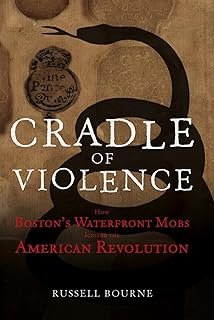
Cradle Of Violence
A central argument of Bourne’s book is that Boston's “waterfront mobs” played a decisive and often overlooked role in shaping resistance to British authority and the Boston Massacre...
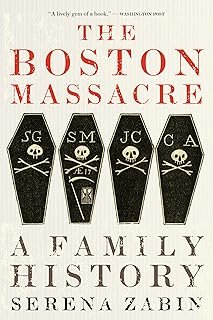
Serena Zabin
A Family History
Zabin’s focus on families, both literal and metaphorical, also adds depth to the narrative. The term “family history” reflects not only the presence of soldiers’ wives and children...
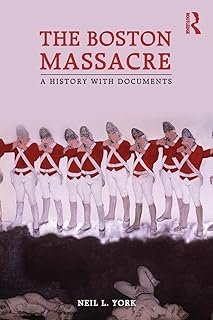
Neil L. York
History & Documents
A defining feature of York’s work is its combination of contextual analysis with a curated collection of original documents. These include newspaper reports, personal letters...